Tag: John

  • We are His Workmanship

    For we are his workmanship, created in Christ Jesus unto good works, which God hath before ordained that we should walk in them.”
    Ephesians 2:10

    John the Baptist prepared the way for Jesus by preaching repentance. In that message, John was preparing the people’s hearts to understand their need for Jesus. After John the Baptist introduced the people to Jesus, read what happened. “35. Again the next day after John stood, and two of his disciples; 36. And looking upon Jesus as he walked, he saith, Behold the Lamb of God!” (John 1:35-36). John again declared Jesus as the Lamb of God. “And the two disciples heard him speak, and they followed Jesus” (John 1:37). Recognize that these men left John the Baptist to follow the One for which John had come to prepare the way. John had done His job: he had directed the people’s attention to the Savior of the world, Jesus. These men left John, and they followed Jesus.

    38. Then Jesus turned, and saw them following, and saith unto them, What seek ye? They said unto him, Rabbi, (which is to say, being interpreted, Master,) where dwellest thou? 39. He saith unto them, Come and see. They came and saw where he dwelt, and abode with him that day … 40. One of the two which heard John speak, and followed him, was Andrew, Simon Peter’s brother” (John 1:38-40). John’s disciples called Jesus Rabbi (Master); yet another indication that they had turned their focus from John to Jesus. They were ready to hear the teachings of Jesus now that they had met Him. Rabbi means “a doctor, teacher, master; a title of honor in the Jewish schools.” After Andrew believed in Jesus, he immediately found his brother, Simon (Peter), and took him to meet Jesus.

    The day following Jesus would go forth into Galilee, and findeth Philip, and saith unto him, Follow me” (John 1:43). Jesus called Philip, too. What did Philip do? “Philip findeth Nathanael, and saith unto him, We have found him, of whom Moses in the law, and the prophets, did write, Jesus of Nazareth, the son of Joseph” (John 1:45). Philip recognized who this man was that called him. Philip understood that Jesus was the Promised One that Moses and the prophets had written about in the Old Testament. Immediately he went and found Nathanael to bring him to Jesus. (Remember, that is what Andrew had done. Andrew immediately went and found his brother, Simon.) Today, when a person meets Jesus, becoming a Christian, the immediate response should be to introduce others to Jesus, too.

    Nathanael was a skeptic – at first. Nevertheless, after Jesus told him where he had been, Nathanael believed. Remember that each person has the choice – to believe or not to believe. Nathanael believed.

    Many people followed Jesus because they wanted to hear His teachings – so many that they crowded Him. Jesus saw the empty ships, and asked Simon to thrust the ship out a little from the shore. Jesus taught the people from the ship. After finishing teaching, Jesus told Simon (Peter) to go out to the deep water and throw out their nets again to fish. Simon (Peter) initially objected – but then he obeyed Jesus. They caught so many fish that their nets broke, and then both ships began to sink because of the number of fish caught. How did Peter respond? “8. When Simon Peter saw it, he fell down at Jesus’ knees, saying, Depart from me; for I am a sinful man, O Lord. 9. For he was astonished, and all that were with him, at the draught of the fishes which they had taken” (Luke 5:8-9). Especially notice that Peter was not the only one affected by this miraculous catch of fish. “10. And so was also James, and John, the sons of Zebedee, which were partners with Simon. And Jesus said unto Simon, Fear not; from henceforth thou shalt catch men. 11. And when they had brought their ships to land, they forsook all, and followed him” (Luke 5:10-11). It was at this point that these four men forsook their old occupation as fishermen of fish, and followed Jesus as fishers of men. If you notice, it said, “they forsook all.” In Matthew, chapter four it tells us that James and John were working with their father. They left him, too. 

    People were trying not only to hear Jesus’ teachings, but also to be healed. Many people followed Jesus. He was drawing the people from a religious practice to a commitment of the heart – a heart committed to Jesus. Jesus saw the need of the people. Read what Jesus did. “12. And it came to pass in those days, that he went out into a mountain to pray, and continued all night in prayer to God. 13. And when it was day, he called unto him his disciples: and of them he chose twelve, whom also he named apostles” (Luke 6:12-13). Apostle means “an ambassador; it indicates the distinctive relation of the 12 men Jesus chose to be His witnesses of Him before the world.” This was the third call of these men. They were initially called to believe in Jesus. Then they were called to follow Jesus. Finally, Jesus called them for a special purpose – to be His apostles.

    Just as Jesus called the twelve disciples (Apostles) for a special purpose, when someone today is saved (asks Jesus into their heart), Jesus has a special purpose for them as well. “8. For by grace are ye saved through faith; and that not of yourselves: it is the gift of God: 10. For we are his workmanship, created in Christ Jesus unto good works, which God hath before ordained that we should walk in them” (Ephesians 2:8, 10). Not only are Christians His workmanship (workmanship means “the result of work; something produced; something made”), but God has before ordained (before ordained means “to make ready beforehand; used of God’s foreordaining for good, referring to glory and good works”) that new Christian to walk in that new life Jesus has for them. Jesus has a job for each Christian.

    Have you believed in Jesus, becoming a Christian?

    Do you follow Jesus and His teachings?

    Have you recognized the job that Jesus has for your life?

  • Examples for Believers

    Let no man despise thy youth; but be thou an example of the believers, in word, in conversation, in charity, in spirit, in faith, in purity
    1 Timothy 4:12

    We can remember back to some of Jesus’ Disciples. They recorded for us their eyewitness accounts of Jesus’ life. They understood the importance of just who Jesus is. They realized the importance of recording the life of Jesus. They had witnessed the events of His life – firsthand! They not only saw, but also understood and believed them.

    Read what John understood about the Word of God. “1. In the beginning was the Word, and the Word was with God, and the Word was God… 14. And the Word was made flesh, and dwelt among us, (and we beheld his glory, the glory as of the only begotten of the Father,) full of grace and truth” (John 1:1, 14). He understood the Word of God was Jesus, who was made flesh (a human), which dwelt among them. The disciples learned from Jesus. Read why John wanted to share his eyewitness account. “That which was from the beginning, which we have heard, which we have seen with our eyes, which we have looked upon, and our hands have handled, of the Word of life; 2. (For the life was manifested, and we have seen it, and bear witness, and shew unto you that eternal life, which was with the Father, and was manifested unto us;) 3. That which we have seen and heard declare we unto you, that ye also may have fellowship with us: and truly our fellowship is with the Father, and with his Son Jesus Christ. 4. And these things write we unto you, that your joy may be full” (1 John 1:1-4). John saw Jesus, recognized the truth He taught, and because of this, John followed Jesus.

     The followers of Jesus learned much from Him. They not only learned from Him, they then lived those things out in their lives. They began to teach others about Jesus. Paul became one who not only believed in Jesus, but he spent his life telling others about Jesus. One particular young man was Timothy. Paul gave Timothy some encouraging words by which many have been encouraged through the years. “Let no man despise thy youth; but be thou an example of the believers, in word, in conversation, in charity, in spirit, in faith, in purity” (1 Timothy 4:12). Although Timothy was young, Paul encouraged him to be faithful. He was to be an example to all in every aspect of his Christian life.

    John knew Jesus and recorded things we must read to learn and grow in Him. Paul was another one who recorded many things we need to know about living a faithful Christian life. It is important to recognize those who know Jesus. This is part of learning how to understand and use the Word of God correctly. Christians are to recognize teachers today who know Jesus and share what they have learned from the Bible. There are many teachers in the world. We are to listen to the ones who truly know Jesus (are faithful Christians who believe the Bible is God’s Word), who teach the truth of Jesus, and live those principles out in their lives. “7. Remember them which have the rule over you, who have spoken unto you the word of God: whose faith follow, considering the end of their conversation … 17. Obey them that have the rule over you, and submit yourselves: for they watch for your souls, as they that must give account, that they may do it with joy, and not with grief: for that is unprofitable for you” (Hebrews 13:7, 17). If they teach, living those truths of the Bible out in their lives, follow them.

    Do you recognize true teachers of God’s Word, and do you submit to their teachings?

  • Testimonies

    And the Word was made flesh, and dwelt among us, (and we beheld his glory, the glory as of the only begotten of the Father,) full of grace and truth.
    John 1:14

    Solomon was an exceedingly wise man. He was a very wealthy man. This was all because when God asked him what he wanted, Solomon asked for wisdom of God to rule His people. God then gave him wisdom and wealth beyond measure. All heard of King Solomon’s great wisdom and wealth. His fame spread throughout the world. The queen from Sheba went to meet King Solomon for herself. She saw all of his great wealth and asked him every question that was in her heart. When she could ask of no more to ask, she recognized something: “Howbeit I believed not the words, until I came, and mine eyes had seen it: and, behold, the half was not told me: thy wisdom and prosperity exceedeth the fame which I heard” (1 Kings 10:7). But more importantly, she recognized God through Solomon’s life: “Blessed be the LORD thy God, which delighted in thee, to set thee on the throne of Israel: because the LORD loved Israel for ever, therefore made he thee king, to do judgment and justice” (1 Kings 10:9).

    When Jesus came, He preached to the people great things of God. He healed many. He wrought many miracles. Yet when the people came out to see a sign, instead of recognizing God through the life of Jesus, remember what He told the crowd. “The queen of the south shall rise up in the judgment with the men of this generation, and condemn them: for she came from the utmost parts of the earth to hear the wisdom of Solomon; and, behold, a greater than Solomon is here” (Luke 11:31). Remember that the queen of Sheba (the queen of the south) acknowledged God when she met with King Solomon. Most of the people that went to see Jesus did not acknowledge God. Jesus is far greater than King Solomon; for Jesus is God. Because the people would not recognize Jesus, He declared that judgment would rise up and condemn them. They did not understand something very important: Jesus came so that all would have the opportunity to know God. However, each one must believe.

    Men wrote of what they had understood as they walked and talked with Jesus. We can remember Jesus’ Disciples as they recorded for us their eyewitness accounts of Jesus’ life. They recognized the importance of just who Jesus is, that He was God come in the flesh. “And the Word was made flesh, and dwelt among us, (and we beheld his glory, the glory as of the only begotten of the Father,) full of grace and truth” (John 1:14). They understood the importance of recording the life of Jesus as they witnessed the events of His life – firsthand! They not only saw, but also understood and believed in Jesus.

    John taught about Jesus was from his own eyewitness account. See why he wanted to share his eyewitness account. “That which was from the beginning, which we have heard, which we have seen with our eyes, which we have looked upon, and our hands have handled, of the Word of life; 2. (For the life was manifested, and we have seen it, and bear witness, and shew unto you that eternal life, which was with the Father, and was manifested unto us;) 3. That which we have seen and heard declare we unto you, that ye also may have fellowship with us: and truly our fellowship is with the Father, and with his Son Jesus Christ” (1 John 1:1-3).

    Although many did not understand just who Jesus was when He came, God’s Word helps us recognize those who did. They left a testimony that Jesus was God come in the flesh. More importantly, they explained to us that Jesus came to save people from their sin – if one will only believe. However, only those who believe Jesus is the Christ, that once and for all sacrifice for sins, will be saved. “9. That if thou shalt confess with thy mouth the Lord Jesus, and shalt believe in thine heart that God hath raised him from the dead, thou shalt be saved. 10. For with the heart man believeth unto righteousness; and with the mouth confession is made unto salvation… 13. For whosoever shall call upon the name of the Lord shall be saved” (Romans 10:9–10, 13). 

    Are you one who has believed the testimony that Jesus is God?

  • The Wrath of God

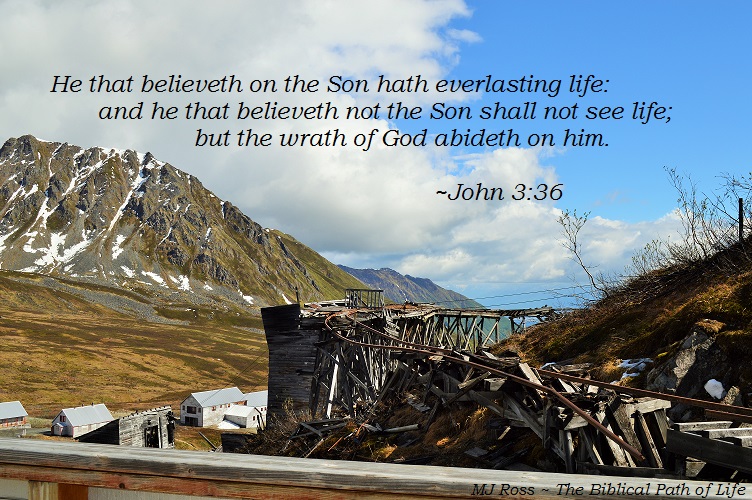
    He that believeth on the Son hath everlasting life: and he that believeth not the Son shall not see life; but the wrath of God abideth on him.
    John 3:36

    No one talks about the wrath of God anymore. What exactly is the wrath of God?  It is mentioned most often in the New Testament. One clear understanding of it is found in the reading of Romans chapter one. In that chapter, one can understand that God’s wrath is holy and just in its indignation against sin. It is so much more than just anger at the willingness of people to continue in sin, it is extreme anger mingled with disgust or abhorrence of that sin.

    Doesn’t God love people? See what Jesus said in the following verses:

    • For God so loved the world, that he gave his only begotten Son, that whosoever believeth in him should not perish, but have everlasting life” (John 3:16).
    •  “For God sent not his Son into the world to condemn the world; but that the world through him might be saved” (John 3:17).
    •  “He that believeth on him is not condemned: but he that believeth not is condemned already, because he hath not believed in the name of the only begotten Son of God” (John 3:18).
    •  “And this is the condemnation, that light is come into the world, and men loved darkness rather than light, because their deeds were evil” (John 3:19).

    Why would God, who is known for His great love, condemn people? People condemn themselves because they have chosen to not believe in Jesus (the Light) and instead love darkness – because their deeds are evil. John summed up the consequences in the last verse of that chapter. It tells what becomes of one who does not believe that Jesus came to die and take away the sin of each individual who would only believe. “He that believeth on the Son hath everlasting life: and he that believeth not the Son shall not see life; but the wrath of God abideth on him” (John 3:36)

    How can one escape the wrath of God? It is declared simply in the Scriptures: “9. That if thou shalt confess with thy mouth the Lord Jesus, and shalt believe in thine heart that God hath raised him from the dead, thou shalt be saved. 10. For with the heart man believeth unto righteousness; and with the mouth confession is made unto salvation” (Romans 10:9-10). In doing this, one must turn from idols (anything that is more important than God – including self) and serve the living God. One must also understand that Jesus, God’s Son, is the only One who can deliver one from the wrath to come. “9. For they themselves shew of us what manner of entering in we had unto you, and how ye turned to God from idols to serve the living and true God; 10. And to wait for his Son from heaven, whom he raised from the dead, even Jesus, which delivered us from the wrath to come” (1 Thessalonians 1:9-10). We are now waiting for Jesus to come and take us out of the world before the wrath of God comes. The book of Revelation gives us a glimpse into the wrath of God that will be unleashed upon the earth one day (not to mention in eternity for those who have already died in their sin). One only needs to read the chapters of fourteen and fifteen of Revelation to understand just how bad the wrath of God that will befall those left on the earth.

    Now having understood from John chapter three that the wrath of God abides upon people who do not believe in Jesus, each person has a choice to make:

    Believe on the Son and have everlasting life

    Or

    Believe not the Son and have the wrath of God abide upon them.

    Have you made the choice to believe in Jesus, choosing life?

  • The Only Way

    Each Christian needs to know, and even memorize, these scriptures in order to tell someone else how to be saved. Tell someone today!

    1. Lostness:  Romans 3:23:  “For all have sinned, and come short of the glory of God;”
    2. Penalty: Romans 6:23:  “For the wages of sin is death; but the gift of God is eternal life through Jesus Christ our Lord.”
    3. Price:  Romans 5:8:  “But God commendeth his love toward us, in that, while we were yet sinners, Christ died for us.”
    4. Response:  Romans 10:9-10:  “9. That if thou shalt confess with thy mouth the Lord Jesus, and shalt believe in thine heart that God hath raised him from the dead, thou shalt be saved. 10. For with the heart man believeth unto righteousness; and with the mouth confession is made unto salvation.”
    5. Security:  Romans 8:38-39:  “38. For I am persuaded, that neither death, nor life, nor angels, nor principalities, nor powers, nor things present, nor things to come, 39. Nor height, nor depth, nor any other creature, shall be able to separate us from the love of God, which is in Christ Jesus our Lord.”
    6. New Life:  Romans 12:1-2:  “1. I beseech you therefore, brethren, by the mercies of God, that ye present your bodies a living sacrifice, holy, acceptable unto God, which is your reasonable service. 2. And be not conformed to this world: but be ye transformed by the renewing of your mind, that ye may prove what is that good, and acceptable, and perfect, will of God.”